Practical Solutions for Youth Athletes
Welcome back to our exploration of youth training. In the previous post, we examined the current challenges facing youth athletes today: early specialization, increasing rates of overuse injuries, the loss of unstructured play, declining physical literacy, and growing inactivity. These trends are certainly concerning, yet they are not inevitable outcomes. There are ways that parents, coaches, school administrators, and the like hold the power to reverse course. The path forward is clear, practical, and grounded in evidence. Here are four solutions that will have massive impacts on health, athlete development, and restoring the joy of movement.
Play Many Sports Throughout the Year
Research consistently shows that kids who played multiple sports through early adolescence develop broader athletic skills and have lower injury risk than those who specialize early. Research also shows that elite performers typically specialized later in their teens and played more sports while they were young.
A systematic review found that delayed specialization was linked to a host of positive outcomes. Multi-sport athletes had reduced injury risk, better long-term performance and had athletic careers that were longer. These outcomes were reported across many sports. For example, NBA players who competed in multiple sports in high school sustained fewer major injuries and enjoyed longer careers.
The first solution to encourage your child to play a variety of sports rather than one sport year-round. Let them play pick-up games and encourage them to explore new activities. This exposure to many activities builds transferable skills and keeps motivation to play high without sacrificing future potential.
Unstructured Play and Free Time
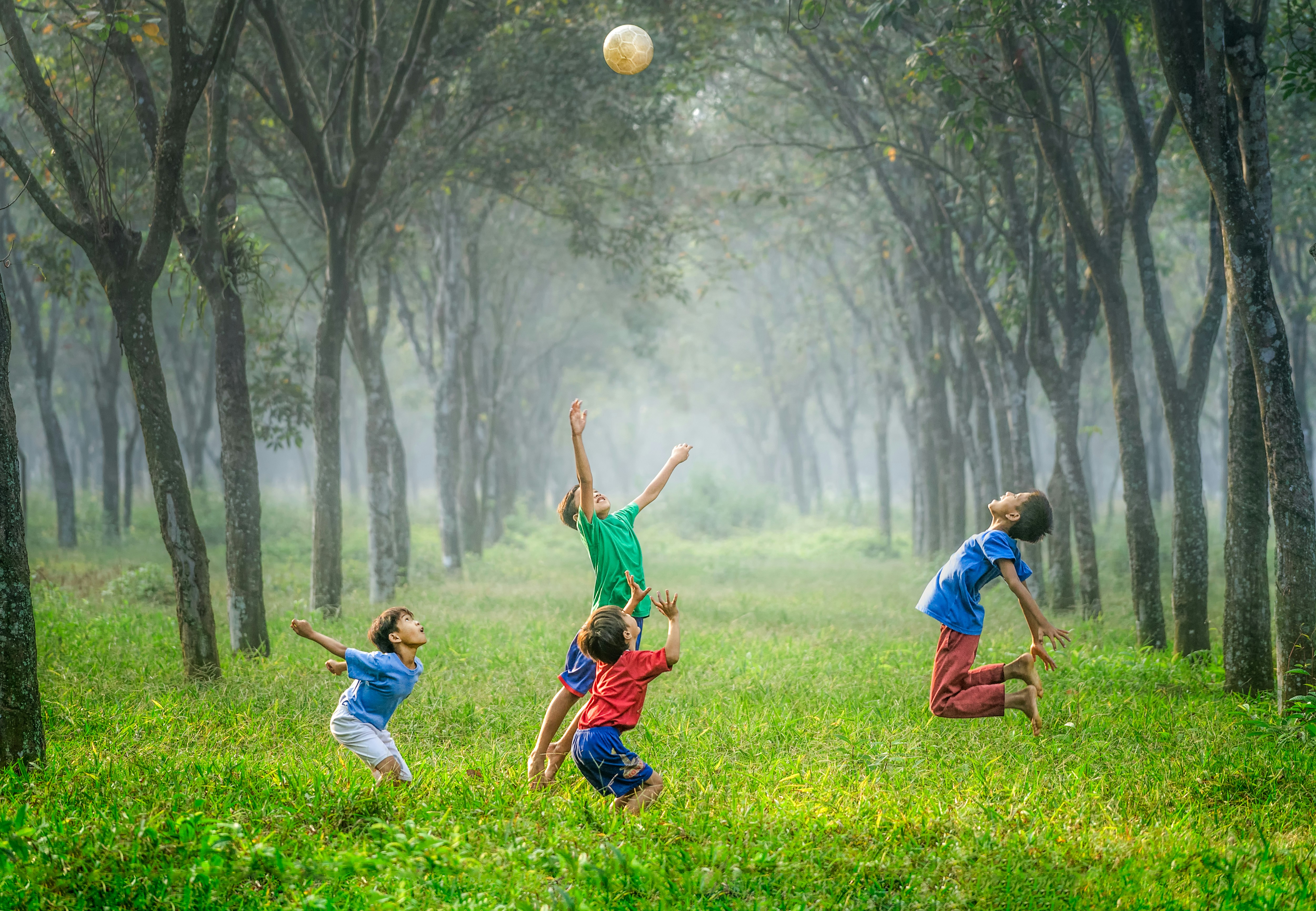
Children need time to play. Full stop. There are many unseen benefits of children playing without adults providing unnecessary schedules, rules, and structure. Researchers find that unstructured play strengthens brain function, increases creativity, and more develops more effective social skills. So not only does play lead to higher physical capabilities, but permeates life skills. A double whammy!
The issue of limited play is being limited on various fronts. Schools have limited recess. Kids’ schedules are structured in a way that leaves limited room for free play. These cultural trends are problematic according to experts like Dr. Stuart Brown of the National Institute for Play and researcher Peter Gray. They emphasize that play is part of our biological development.
Solution two is to protect free play time by limiting over-scheduling and allowing kids to explore. Resist replacing unstructured time with extra drills or screens. Even 20–30 minutes of child-led play daily yields measurable benefits.
Prioritize Foundational Movement and Physical Literacy
Before sport-specific techniques, kids need to build competence and confidence in the basics: running, jumping, landing, throwing, catching, balancing, and changing direction. Physical literacy, or the ability to move with skill and confidence across a range of activities, is the foundation for lifelong activity and athletic success.
Dr. Avery Faigenbaum and the NSCA stress that many of today’s youth show declining motor skill proficiency. Without these foundational movement abilities, children avoid activity. They will certainly struggle more in sports compared to their skilled moving counterparts. And they will likely face higher injury risk. An emphasis should be made toward playful, multi-plane movements that include hopping, skipping, crawling, throwing games, and balance challenges rather than isolated skill drills alone.
To see examples of this approach, take a look at Jeremy Frisch and Jake Dyson on Instagram. Their content shows how to turn foundational movement training into engaging, game-like experiences. This approach builds athleticism through play, variability, and exploration. Bonus points because is SUPER FUN!
Solution 3 is to seek out quality physical education and early training environments that treat movement as a skill to be practiced give kids the tools they need to thrive in any sport they choose.
Age-Appropriate Strength and Conditioning
One of the biggest myths in youth training is that resistance training is dangerous for children. The myth is that is stunts growth. The evidence shows the opposite is true. A properly designed and supervised program is safe, effective, and beneficial. The NSCA Youth Resistance Training Position Statement and multiple reviews confirm that with supervision, proper technique, and age appropriate weights, youth athletes experience low injury rates. Appropriate training is highly beneficial for youth athletes.
One of the primary benefits for appropriate youth training is kids gain strength through improved neuromuscular coordination. Training should begin with concepts like bodyweight exercises, medicine balls, and light free weights. Focus should be on form and control. Over time, athletes become exposed to slightly heavier weights and more complex movement patterns. As a result of appropriate loading during youth training, kids develop stronger bones and better long-term athletic development.
Conclusion
- Multiple Sports
- Free Play
- Movement Skill
- Age Appropriate Training
These four solutions offer an intelligent path to developing youth athletes.
Want to reduce risk? ✅
Want to improve performance? ✅
Want kids to enjoy activity for the long haul? ✅
We CAN create an environment that allows our kids to thrive. Let’s get to work!
.jpg)