
The Crisis in Youth Development
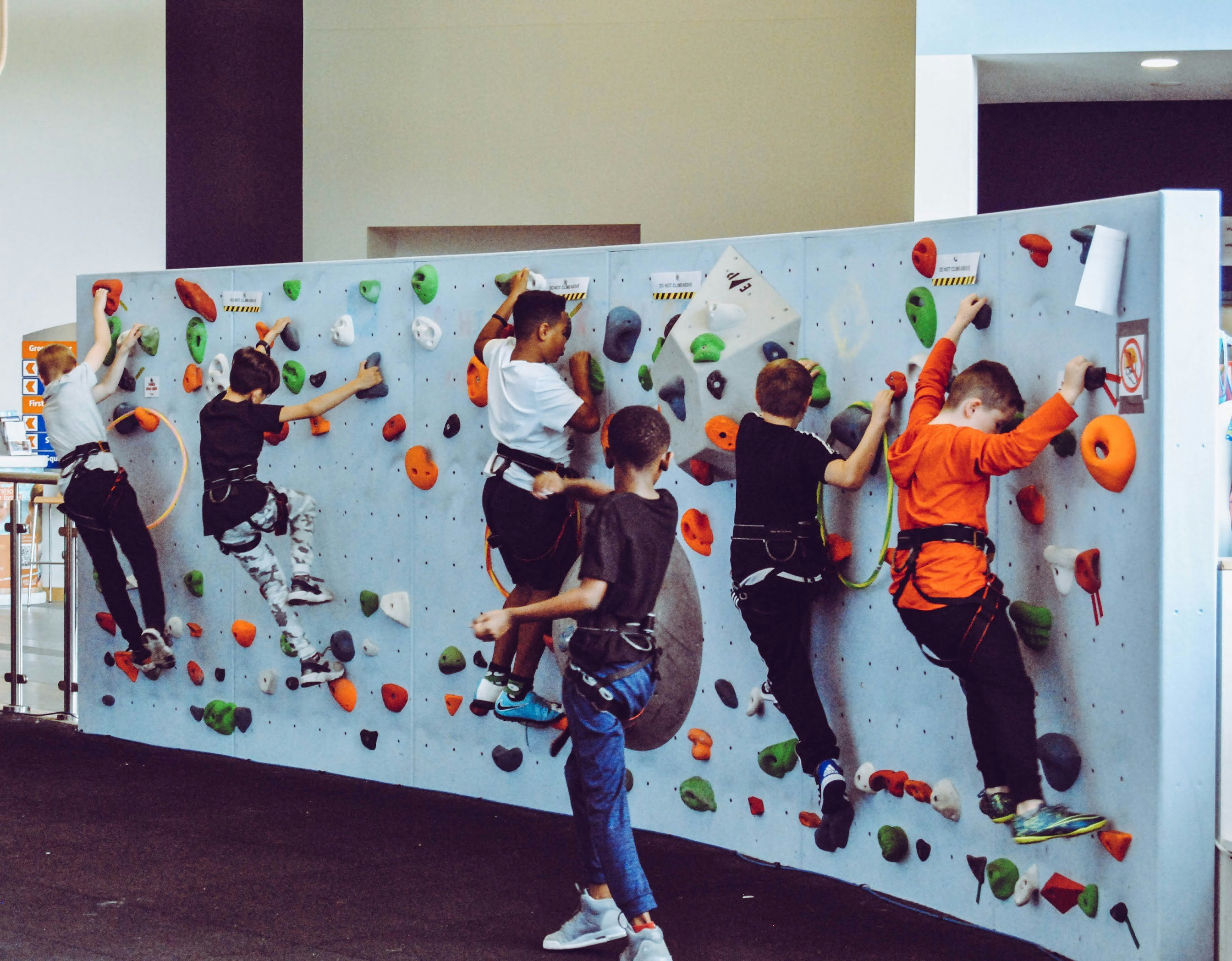
We all have visions of our kids running, jumping, climbing, and playing. Smiles on their faces and laughing with friends. However, the environment for phsycial activity and sport that our kids are currently in is much more stark. We are producing a generation of young athletes who burn out before high school, suffer preventable injuries at alarming rates, and lack the basic movement skills that our parents took for granted. This isn't a distant warning. It's the reality for millions of American children today. As parents, coaches, and educators, we see talented kids sidelined by overuse issues, teams struggling with fundamental skills, and rising inactivity that threatens long-term health. The crisis in youth physical development is hiding in plain sight.
This is Part 1 of our three-part series, exploring youth development. Here, we examine the pressing problems facing kids aged 5–18 in sports and physical activity. Part 2 will explore practical solutions grounded in research. Part 3 will detail what youth training looks like at our gym.
The Consequences of Early Sport Specialization
Early sport specialization is defined as an athlete focusing intensely on one sport year-round before adolescence and the number of kids that play only one sport has surged in popularity in recent decades. Parents and coaches often believe it sets youth athletes up greater success. We have been sold a that early sport specialization builds elite skills faster, but the evidence shows the opposite.
Research by Dr. Neeru Jayanthi and colleagues reveals that highly specialized young athletes face significantly higher injury risks than those who play multiple sports. In key studies, specialization raised the odds of serious overuse injury by more than double, alongside increased burnout and dropout. Many children leave organized sports by age 13 due to the pressures of playing and the excessive fatigue. Simply put, it becomes less fun for the athletes and they leave the sport.
Meanwhile, elite success stories tell the opposite. To illustrate the point, 87% of attendees at the 2015 NFL Combine played multiple sports in high school. Similar patterns appear across other sports. Roughly 80%+ of NBA players, a high percentages of MLB draftees, and many Olympic athletes played multiple sports as kids. They did not specialize as an 8 year old. Specialization occured much later in their high school careers.
Aside from a potential athletic career, the ramifcations of early specialization has other downstream effects. The American Academy of Pediatrics (AAP) warns that early specialization limits broader motor development and raises psychological strain. By specializing early, kids miss the variety that builds resilience and enjoyment, which often lead to poorer long-term athletic success as well as physical, psychological, and physiological outcomes.
The Rise of Overuse Injuries in Youth Athletes
Overuse injuries now account for nearly 50% of all sports-related injuries in children. Conditions that used to be rare in previous generations, such as stress fractures or ligament damage, are becoming increasingly common among today's athletes. The CDC reports millions of youth sports injuries annually, with repetitive stress from year-round training as a primary driver.
The Loss of Unstructured Play and Recess
Free, unstructured play, which was once the staple of childhood, has sharply declined. Compared to the 1970s, children now spend about 50% less time in outdoor, child-led activities.
Many schools have cut recess dramatically. The average U.S. child under 10 gets around 25 minutes per day. And up to 40% of districts have reduced or eliminated it to prioritize academics.
This loss goes far beyond physical activity. Dr. Stuart Brown of the National Institute for Play and researcher Peter Gray highlight how unstructured play shapes brain development and cognition. Play allows the brain to build neural connections, develop problem solving skills, and even improves emotional regulation and creativity. Play is ESSENTIAL for brain development. Without enough free play, children miss opportunities to develop complex thinking and emotional health.
Declining Physical Literacy and Motor Skill
Physical literacyis eroding in today's youth. Defined as the confidence and competence to move skillfully in the world, many children struggle with basic abilities like running, jumping, throwing, and balancing that previous generations mastered through varied play.
Dr. Avery Faigenbaum's research on pediatric strength and motor development reveals measurable declines in fitness and movement proficiency compared to previous generations. We need to promote environments that build physcial literacy because without strong motor foundations, participation in activity and sports, and lifelong abiltiies to move about the world suffer. See the NSCA's guidelines that emphasize the importance of early, varied movement.
Youth Obesity and Physical Inactivity Trends
Childhood obesity rates have reached record highs, with approximately 1 in 5 U.S. children and adolescents (about 14.7 million) affected. Recent CDC data shows prevalence at 21.1% in recent years, up from prior periods.
Physical inactivity compounds the issue. Far too few youths meet the CDC's recommendation of 60 minutes of moderate-to-vigorous activity daily. Sedentary behaviors, driven by screens, reduced play, and structured-only activities fuel both obesity and related health risks like lack of strength.
These trends carry potentially lifelong consequences, increasing risks for chronic disease and limiting physical potential.
Conclusion
The impact of these challenges on our youth is significant. Early specialization, overuse injuries, lost play, declining motor skills, and rising inactivity all interconnect to undermine the physical, mental, and emotional development of our youth. But, the good news is this doesn't have to define the next generation.
Solutions exist, rooted in evidence from leaders like the AAP, NSCA, Dr. Faigenbaum, Dr. Jayanthi, and others. In Part 2 of this series, we'll dive into practical ways to address these problems and rebuild stronger foundations.
.jpg)


